
Her disease and the treatment that could stop it
Here's everything we've learned over these two years: what Cockayne syndrome is, what the gene therapy that could stop it looks like, who is developing it and what's missing to reach Carlota. It's for anyone who wants the detail — and the full dossier can be downloaded.
What the doctors told us
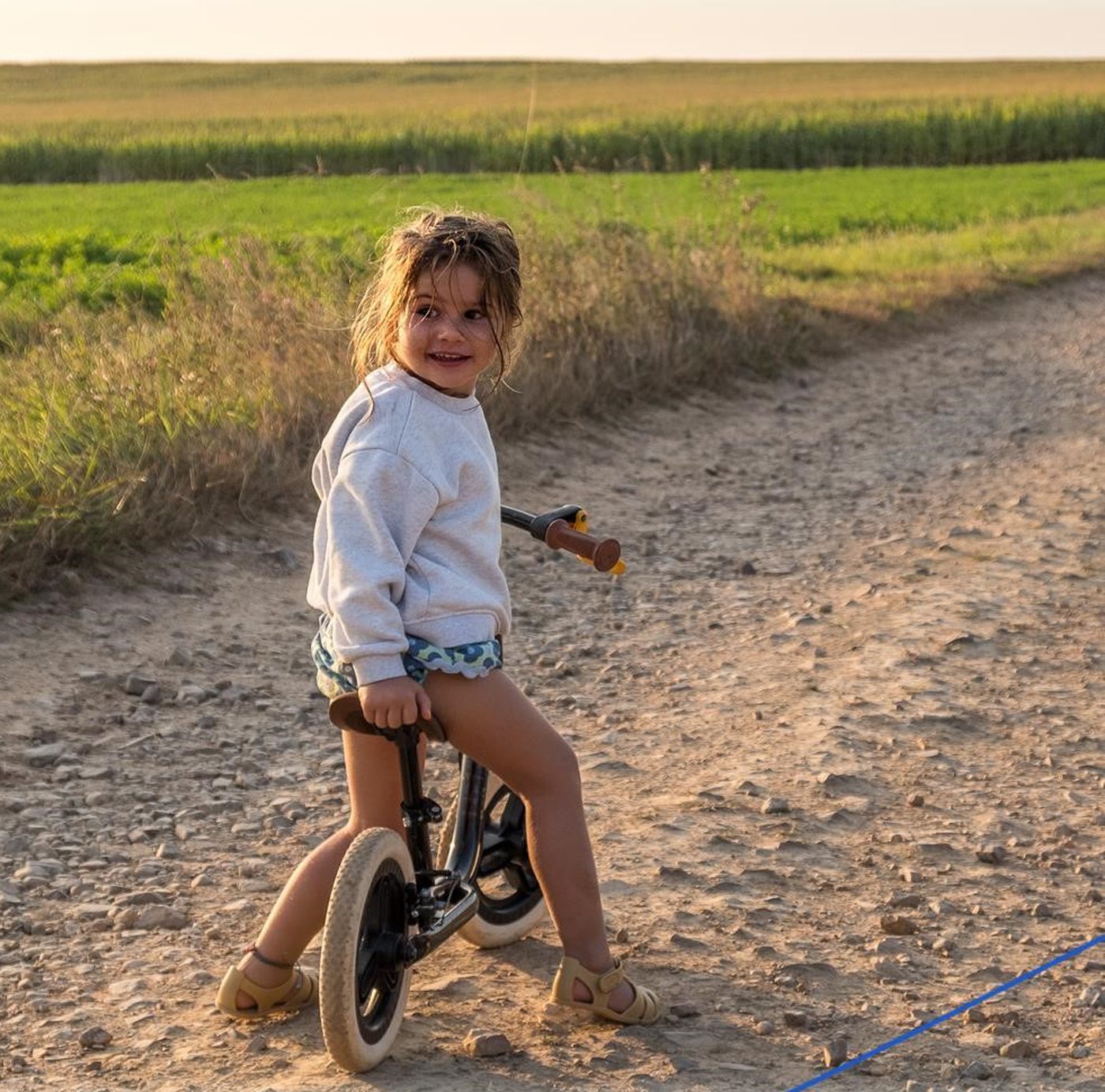
Cockayne syndrome is an ultra-rare, neurodegenerative, multisystem genetic disease. Carlota's body lacks a protein that repairs the DNA in her cells, and without it the damage builds up.
Why it happens
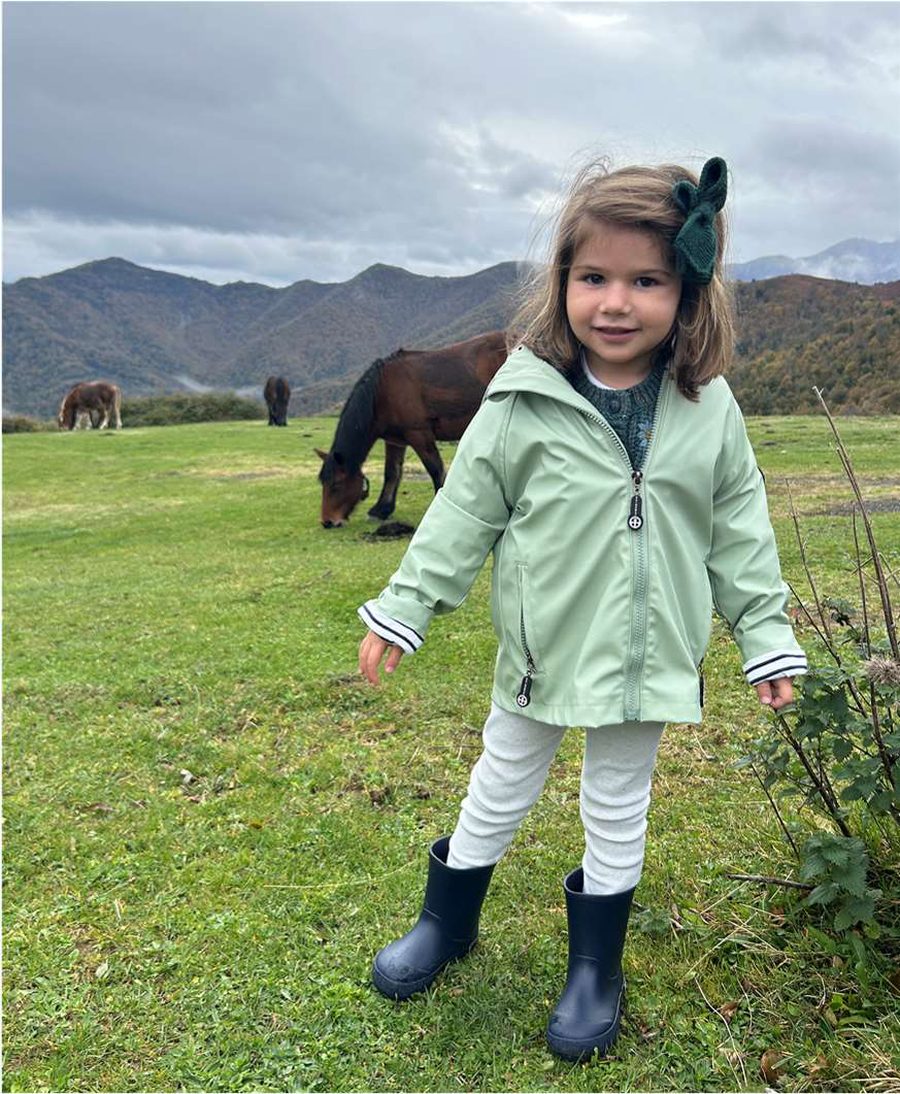
The ERCC6 gene produces the CSB protein, essential for repairing DNA when cells are damaged. Without that protein, damage accumulates and the body ages prematurely.
The damage begins before it shows. That's why the moment treatment arrives decides how much can be saved.
What appears over time
-
Neurological deficits
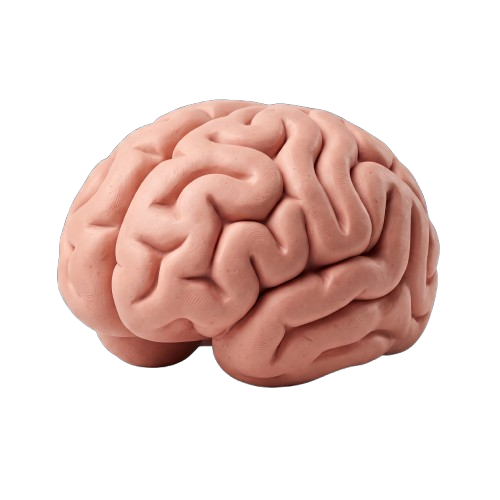
Progressive psychomotor decline and cognitive delay.
-
Ataxia
Loss of coordination, tremors and severe gait alteration.
-
Hearing loss
Progressive bilateral sensorineural hearing loss.
-
Eye complications
Progressive retinopathy, optic atrophy and early cataracts.
-
Musculoskeletal problems
Persistent contractures, kyphosis and joint problems.
-

Photosensitivity
Extreme skin sensitivity to ultraviolet light.
-

Reduced life expectancy
The average for children with Cockayne type B is twelve years.
-
Developmental delay
Growth delay and microcephaly.
It's a disease that advances. Every month that passes reduces what a treatment could save.
We don't accept that nothing can be done.
And it turns out something can.
Data from the dossier of the Cockayne B Spain Association and the Viljem Julijan Association.
What gene therapy is
An AAV virus, empty and harmless, carries a healthy copy of the gene to the patient's cells. The cell reads that gene and starts making the protein it was missing again.
It took us a while to understand it. We explain it the way we'd have liked it explained to us:
- 1
The healthy gene is prepared
A healthy copy of the ERCC6 gene is placed inside an empty, harmless AAV virus.
- 2
It's injected into the patient
A single dose introduces millions of capsules carrying the gene into the body.
- 3
The virus delivers the gene
Each capsule enters a cell and deposits the healthy gene inside it.
- 4
The cell makes the protein
With the healthy gene inside, the cell starts producing the CSB protein it was missing.
The virus only acts as transport: it doesn't multiply or pass from one person to another.
A technical detail that helps: the ERCC6 gene takes up almost all the capacity an AAV can carry. Getting it packaged was the first big hurdle, and it's already solved.
We're not the only ones trying
Two teams have been developing this therapy for years. A Slovenian family started before us, for their daughter Karolina, and managed to fund the preclinical stage of both groups through the Viljem Julijan Association.
University of Minnesota
United States
-
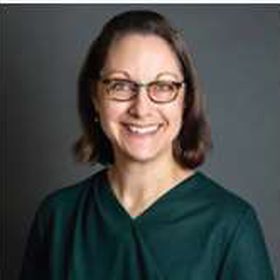
Dr Christina Pacak
Leads the Pacak Laboratory at the University of Minnesota Medical School.
-
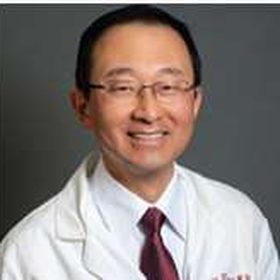
Dr Peter B. Kang
Paediatric neurologist, professor and vice-chair of research in the Department of Neurology.
Funding secured
ABC-RI Group
Portugal
-
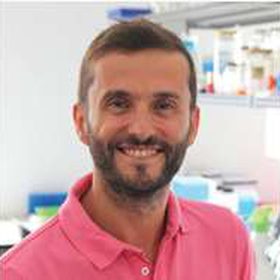
Dr Clévio Nóbrega
Leads the Molecular Neuroscience and Gene Therapy group at the Algarve Biomedical Research Centre.
Funding secured
Supported by



The hard part is done. The expensive part remains.
We're not talking about discovering a therapy. We're talking about getting it to those who need it.
What we already have
-
The vector is built
The gene cassette is ready and optimised. It was the first big hurdle.
-
It works in cells
Functional rescue achieved in vitro in patient cells.
-
It works in animals
Safety demonstrated in vivo, with improved symptoms and life expectancy.
-
There's money already invested
Over €3.5M put in by other families and institutions before us.
What's missing
-
Manufacture the GMP batch
Produce the vector to pharmaceutical quality for human use.
-
Pass the FDA and EMA
Approval from the US and European agencies.
-
Design the clinical trial
Protocol and hospitals ready in the European Union.
-
The funding for the leap
The capital that separates the lab from the first dose.
The road to the treatment
We're in advanced preclinical
Sources
The clinical data on this page comes from the dossier of the Cockayne B Spain Association and the Viljem Julijan Association, which funded the preclinical research. If you're a professional and want the methodological detail, write to us and we'll provide it.
Viljem Julijan Association